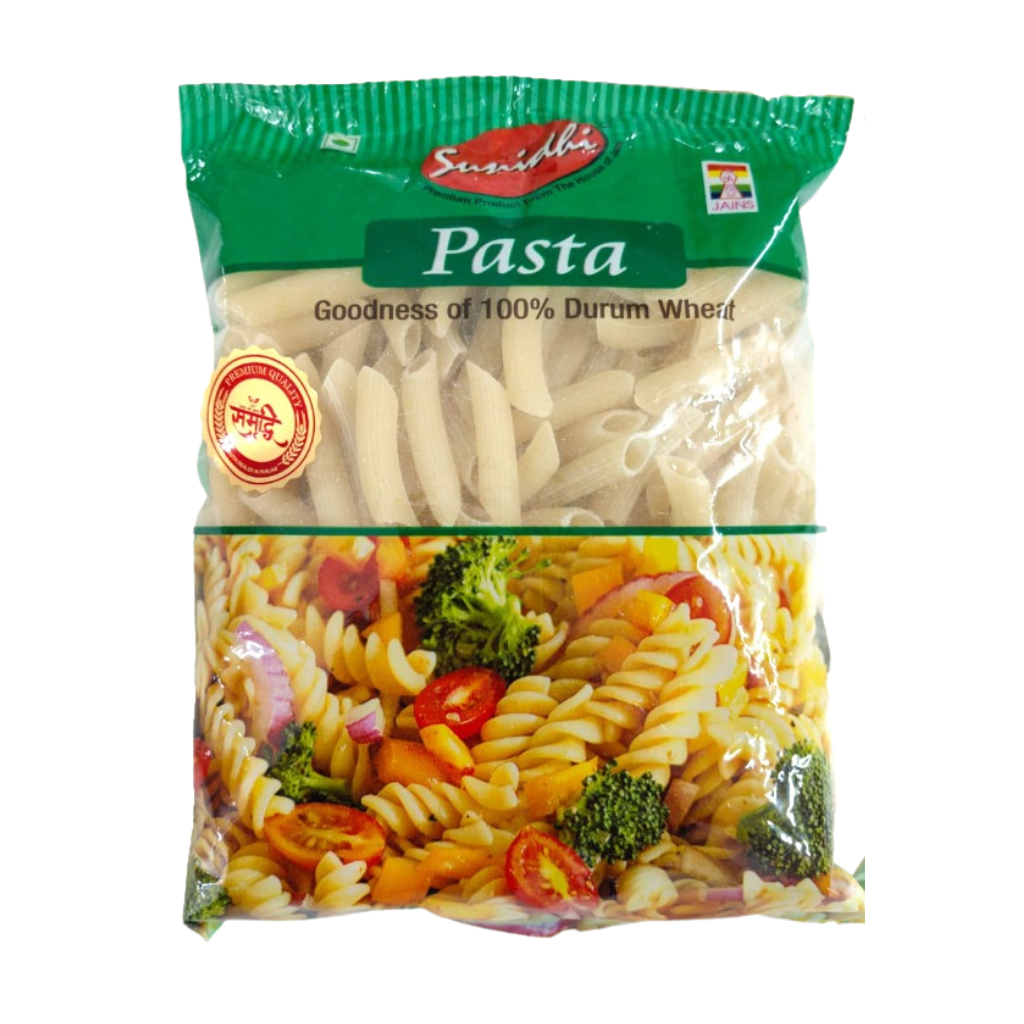
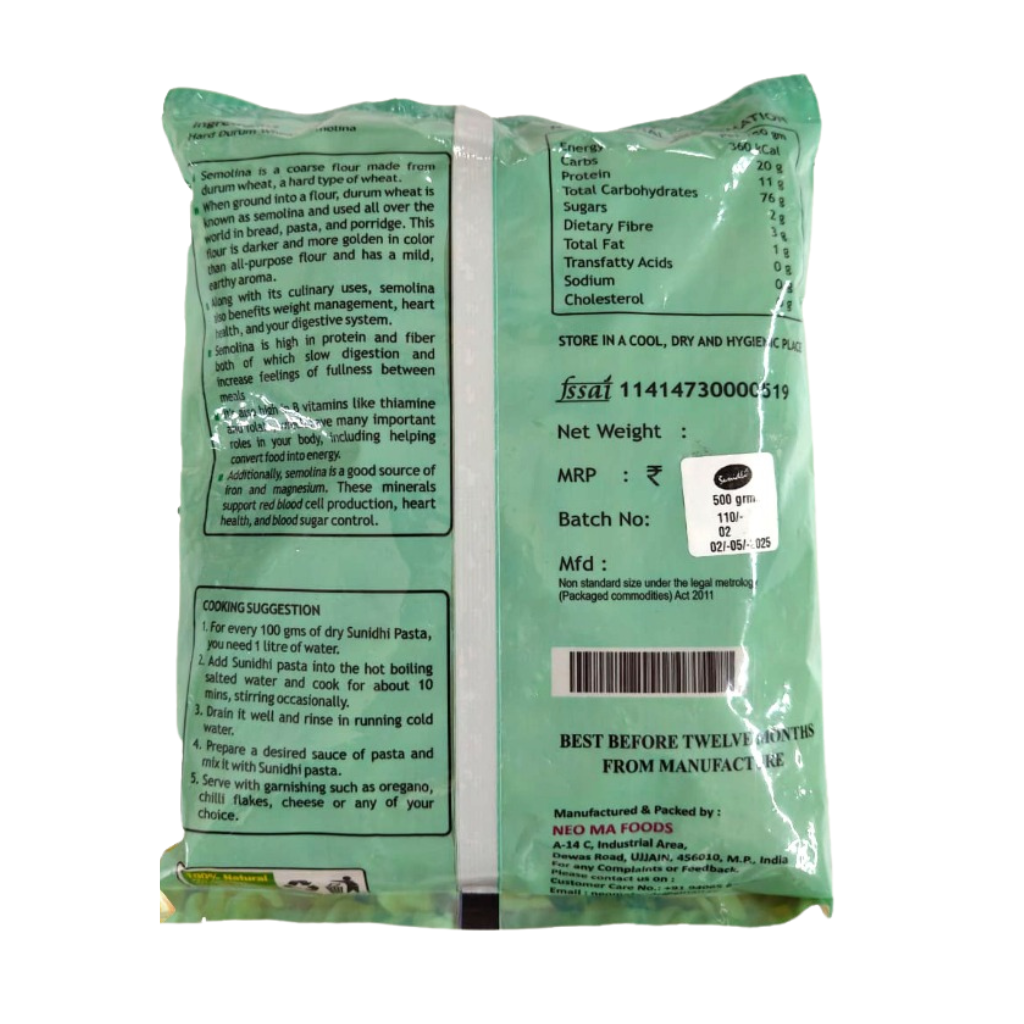
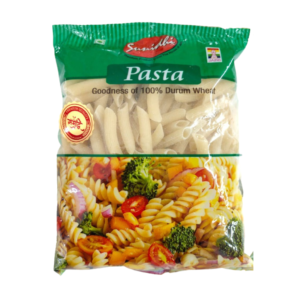
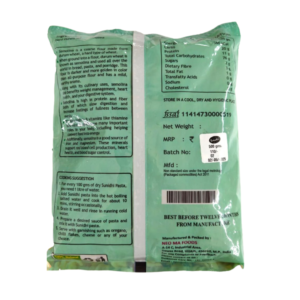
Penne Pasta (Durum wheat) – 500Gms
₹110.00 Original price was: ₹110.00.₹80.00Current price is: ₹80.00.
Durum wheat penne is the gold standard of dry pasta, prized by chefs and home cooks alike for its reliable texture and ability to hold onto a good sauce.
The Material: Durum Wheat
Unlike the soft wheat used for cakes or white bread, Durum wheat (Triticum durum) is a “hard” wheat. It is milled into semolina, a coarse, golden flour with a high protein content and strong gluten structure. This is what gives the pasta its:
-
Al Dente Bite: It maintains a firm, chewy texture even after boiling.
-
Golden Hue: Naturally rich in carotenoids, giving the pasta its signature amber color.
-
Structural Integrity: It holds its shape perfectly, preventing the pasta from becoming mushy or falling apart.
The Shape: Penne Rigate
The word penne comes from the Italian for “quill” or “pen,” referring to the angular, diagonal ends. While penne comes in smooth (lisce) varieties, the most popular is Penne Rigate (ridged).
-
The Ridges: These tiny grooves act as “sauce traps,” ensuring that thinner sauces cling to the exterior.
-
The Hollow Center: The tube captures chunkier ingredients like minced meat, peas, or thick cream sauces, providing a burst of flavor in every bite.
Best Pairings
Because it is sturdy, penne is incredibly versatile. It excels in:
-
Hearty Meat Sauces: Such as Bolognese or Ragu.
-
Spicy Tomato Bases: The classic Penne all’Arrabbiata.
-
Baked Dishes: Like Pasta al Forno, where the tubes can withstand the high heat of an oven without losing their texture.
Pro Tip: Always cook durum wheat penne in heavily salted water to enhance its nutty, earthy flavor profile.
| Packaging | 500 Gms |
|---|
Related products
White Poha
₹56.00 – ₹110.00Price range: ₹56.00 through ₹110.00- 1 Kg
- 500 Gms