
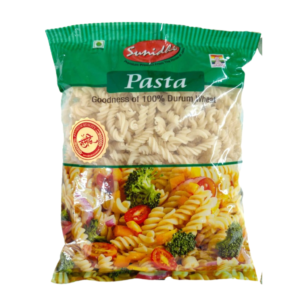
Spiral Pasta (Durum wheat) – 500 Gms
₹110.00 Original price was: ₹110.00.₹80.00Current price is: ₹80.00.
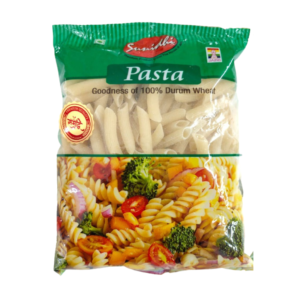
Often referred to by its Italian name, Fusilli or Rotini, drum wheat spiral pasta is a versatile staple known for its distinctive corkscrew shape.
Key Characteristics
-
The Material: It is crafted from durum wheat semolina, a “hard” wheat with high protein and gluten content. This allows the pasta to maintain its structural integrity and achieve the perfect al dente (firm to the bite) texture when cooked.
-
The Shape: The twisted, helical design isn’t just for aesthetics. The spirals create deep grooves and ridges that act as “sauce traps,” making it the ideal vessel for carrying chunky pestos, thick marinades, and meat sauces.
-
Appearance: High-quality durum wheat pasta typically has a warm, golden hue and a slightly rough surface (especially if bronze-die extruded), which helps sauces cling to the pasta rather than sliding off.
Best Uses
Because of its sturdy nature and ability to hold its shape, spiral pasta is the “all-rounder” of the pantry:
-
Pasta Salads: It holds up beautifully when served cold and mixed with vinaigrettes and chopped vegetables.
-
Bakes: It’s a popular choice for casseroles (like Mac and Cheese variations) because the coils catch melted cheese.
-
Heavy Sauces: It pairs perfectly with Bolognese, marinara, or creamy Alfredo.
Pro Tip: When cooking durum wheat spirals, always use plenty of salted water. The high protein content means it releases less starch, keeping your pasta water clear and your spirals from sticking together.
| Packaging | 500 Gms |
|---|